

Michael Page built his UFC run on making opponents fight at the range he picks, then walking away with the scorecards. Nursulton Ruziboev is not built to play that game on the feet, and he is not trying to. This one turns on a single question: can Ruziboev actually get Page's hips under control long enough to threaten a finish, or does Page's outside striking keep the fight where he wants it for two or three rounds running.
Michael Page
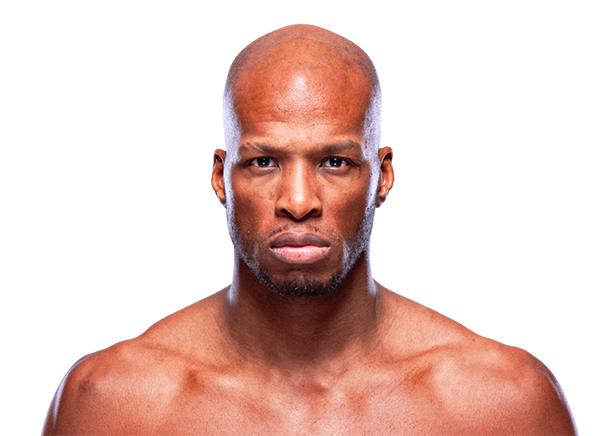
Page is the archetype of the awkward, rangy distance striker: feints, level changes, and single shots timed to land as an opponent closes, all designed to keep the fight at the length of his lead leg and jab. He carries a three inch reach advantage into this one, which only widens the gap he likes to fight from, and he has built a current UFC decision streak by staying disciplined enough to win rounds rather than force finishes. The one dent in that armor is what happens once someone actually gets inside it. He has been under real, extended control before, most notably absorbing 494 seconds of control time against Cannonier and still winning, which is legitimate proof he can survive a mat battle he is losing on paper. But surviving control is different from escaping a grappler who is actively hunting a submission rather than just riding time, and that is the exact test Ruziboev brings.
Nursulton Ruziboev
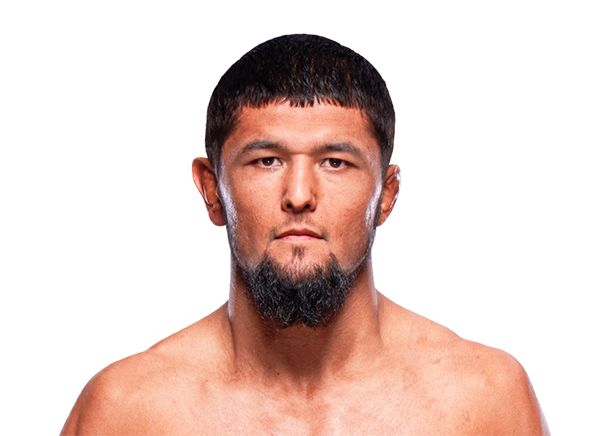
Ruziboev's path to a finish does not run through volume or forward pressure, it runs through top position and a genuinely sharp submission game once he gets there. He has already shown that mechanism works at this level, closing out a fight with a submission in his most recent UFC appearance, and his regional finish totals back up that instinct as more than a one-off. The catch is getting there against a fighter as slippery as Page. His loss to Buckley is the clearest data point on where the finishing instincts alone are not enough: he struggled once an opponent combined real striking pressure with wrestling, rather than offering him a stationary target to chain takedowns off of. Page will not wrestle him, but he also will not stand and trade in the pocket, which means Ruziboev has to manufacture entries himself instead of having them handed to him.
How the fight plays out
The mechanism match here favors Ruziboev more than the surface read of a rangy striker against a submission specialist suggests. Page has a documented, repeated problem once his hips get captured, and that is precisely the position Ruziboev's entire offensive identity is built to reach. Ian Garry's fight against Page is the clearest blueprint: 449 seconds of control and two submission attempts show exactly what happens when someone commits to that specific plan instead of trying to out-strike Page from range. Ruziboev's recent UFC submission is current proof he can finish once he arrives at that same position, which matters more than a highlight reel of regional stoppages against lesser competition.
The honest caveat is that possession alone will not be enough. Page's survival act against Cannonier proves he can absorb control time without folding, so Ruziboev needs actual positional advancement and live submission threats, not just a top position he is content to sit in. That is a real conditional, not a guarantee, and Page's reach and current decision-winning form make this a genuinely close call rather than a lock. But the specific mechanism, hips captured, followed by submission pressure, is the one path in this fight with documented success against Page, and it is a path Ruziboev has just shown he can walk on the biggest stage available to him.
The verdict
Bones' side is Ruziboev. The pick is not that he out-strikes Page, it is that his top-position submission game attacks the one repeatable weakness Page has shown once his hips are controlled, and Ruziboev's recent finish proves that game is live right now, not just on paper.